



 Close Menu
 World
World
 Biography
 Health
 Education
 Business
 Lifestyle
 Sports
 Technology
 Animals
 History
 Food
Food
 Religious
 Startups
 Movies
 Politics
 Fashion
 Covid
Covid
 Diet
Diet
 Fitness
 Marketing
 Travel
 Science
 Reviews
 Social media
 Stories
 Facts
Facts
 Art
Art
 Entertainment
Prime Hearing Clinic
Health
How to Protect Your Hearing When Working at an Airport
 Prime Hearing Clinic
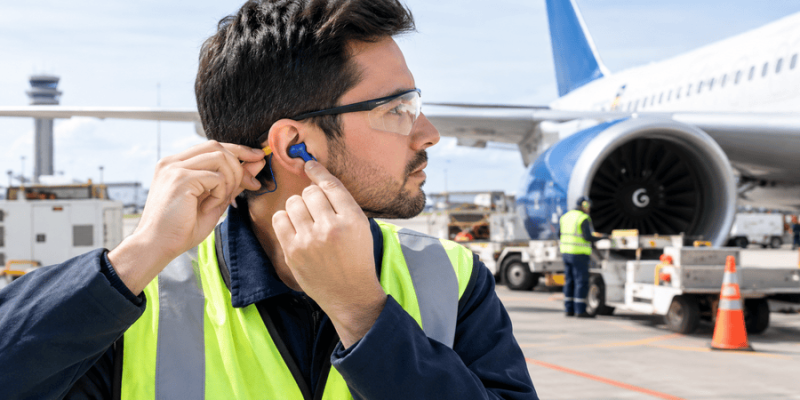
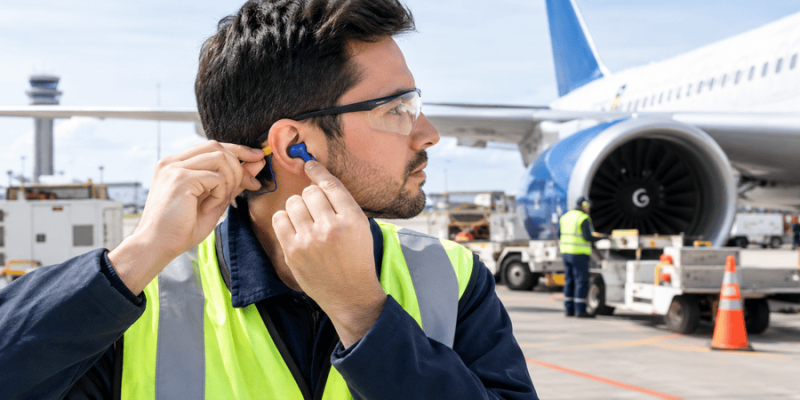
Airports are busy environments where aircraft engines, ground support equipment, baggage systems, and other operations can expose workers to loud noise. While hearing protection is essential for employees working near aircraft on the runway or apron, prolonged exposure to workplace noise can also affect other airport staff.
Taking steps to protect your hearing can help reduce the risk of noise-induced hearing loss and support long-term hearing health. Understanding workplace noise risks, using appropriate hearing protection, and scheduling regular hearing tests are important parts of maintaining healthy hearing.
How Can Airport Noise Affect Your Hearing?
Airport employees may experience different levels of noise depending on their job responsibilities and work location. Ground crew, aircraft maintenance staff, baggage handlers, and other workers operating near aircraft may face higher noise exposure than employees working in quieter indoor areas.
Repeated exposure to excessive noise can damage the delicate sensory cells in the inner ear. This damage can lead to noise-induced hearing loss, which is often permanent.
Common warning signs include:
- Ringing or buzzing in the ears after a shift.
- Muffled hearing after working in noisy areas.
- Difficulty understanding conversations, particularly in crowded places.
- Frequently asking people to repeat themselves.
- Needing to increase the volume on televisions or personal devices.
These symptoms should not be ignored. Hearing changes may develop gradually, making them difficult to notice in the early stages.
6 Ways to Protect Your Hearing When Working at an Airport
1. Wear Appropriate Hearing Protection
One of the most important steps in workplace hearing protection is using suitable earplugs or protective earmuffs when required. These devices help reduce the amount of sound reaching the inner ear.
The appropriate level of protection depends on the noise exposure, the duration of work, and the requirements of the job. Airport employees should follow workplace safety procedures and use hearing protection selected for their specific working conditions.
2. Consider Custom Earmolds for Better Fit and Comfort
Standard earplugs may not fit every ear comfortably. Some workers find that they loosen, cause discomfort, or are difficult to insert correctly during long shifts.
Custom earmolds are made to fit the individual contours of a person's ears. When designed for hearing protection, custom-molded earplugs can offer several benefits:
- A more secure fit: They are shaped for the individual's ear, helping reduce gaps that can allow noise to enter.
- Improved comfort: A suitable fit may make them easier to wear for extended periods.
- Consistent use: Comfortable hearing protection may encourage workers to wear it as instructed.
- Reusable protection: Many custom-molded products are designed for repeated use when properly cleaned and maintained.
It is important to distinguish protective custom earplugs from earmolds made to hold hearing aids. Not every custom earmold provides hearing protection. Airport workers should select a product designed and rated for occupational noise reduction.
Custom-molded protection must also provide sufficient noise reduction for the worker's actual exposure. A proper fit assessment can help confirm whether the device offers adequate protection.
3. Reduce the Time Spent Around Excessive Noise
The longer you remain exposed to loud sounds, the greater the potential risk to your hearing. Where operational duties allow, follow workplace procedures to limit unnecessary time near noisy aircraft, engines, and equipment.
Employers can help by assessing noise levels, maintaining equipment, introducing quieter processes where practical, and organizing work to reduce exposure. Hearing protection should complement these measures rather than replace them.
4. Follow Workplace Hearing Safety Procedures
Airport workers should understand when and where hearing protection is required. Employees may also need training on how to insert earplugs correctly, maintain protective equipment, and recognize potentially hazardous noise levels.
Never remove hearing protection in a designated noise hazard area simply to communicate with a colleague. Instead, follow approved communication procedures and use compatible communication equipment where necessary.
Hearing protection should not interfere with the ability to hear safety alarms, instructions, or other critical signals. Employers should select suitable equipment that balances noise reduction with workplace communication and awareness.
5. Schedule Regular Hearing Tests
Regular hearing tests can help identify changes in hearing that may otherwise go unnoticed. This is particularly important for airport employees who work around aircraft engines, ground handling equipment, or other sources of occupational noise.
A hearing test measures how well you hear sounds at different pitches and volumes. Comparing results over time can help identify changes that may indicate noise-related hearing damage.
Workers can visit a hearing health clinic for routine hearing assessments and advice about protecting their hearing. A hearing specialist can explain the results, discuss symptoms, and recommend whether further evaluation or additional hearing protection may be appropriate.
If your workplace has a hearing conservation program, follow its recommended testing schedule. Do not wait for noticeable hearing loss before arranging an assessment.
6. Recognize Early Symptoms and Seek Help
If you experience persistent ringing in your ears, muffled hearing, or difficulty understanding speech after work, arrange a hearing assessment. These symptoms may indicate excessive noise exposure or another hearing-related concern.
If hearing loss develops suddenly, seek urgent medical assessment rather than waiting for a routine appointment.
Early attention can help identify the cause of hearing changes and guide appropriate next steps. Although existing noise-induced hearing loss is often permanent, reducing further exposure can help protect the hearing you still have.
Why Hearing Health Matters for Airport Employees
Hearing is essential for everyday communication and workplace safety. Employees need to understand instructions, communicate with colleagues, and remain aware of their surroundings.
Repeated exposure to excessive noise can affect more than the ability to hear conversations. It may also make it harder to recognize warning signals and communicate effectively at work.
Combining workplace noise controls, correctly fitted hearing protection, and regular hearing assessments can help workers take a proactive approach to hearing health.
Custom-molded hearing protection may be worth considering for employees who need a comfortable, reusable option suited to their ears. However, the right choice should always be based on measured noise exposure, adequate noise reduction, and workplace safety requirements.
Protect Your Hearing With Regular Hearing Checks
If you work at an airport, do not overlook the importance of regular hearing tests. Even when you do not notice obvious symptoms, periodic assessments can help you monitor your hearing and identify changes over time.
Visiting a hearing health clinic can also help you understand your hearing protection options, including custom-molded earplugs designed for noisy work environments.
Take the first step toward better hearing health: make hearing protection part of your daily work routine and arrange a hearing assessment when needed. Protecting your hearing today can help support clearer communication and better hearing health in the years ahead.
Source:
Click for the: Full Story
You might like








You Might Like this